Heard Natural Science Museum & Wildlife Sanctuary’s mission is to bring nature and people together. A critical element in this mission is providing a place where future generations can enjoy our native Blackland Prairie in a state similar to what it once was. This element requires both restoration and conservation efforts on the part of the Heard staff and volunteers.
“Never doubt that a small group of thoughtful, committed citizens can change the world; indeed it is the only thing that ever has.” – Margaret Mead
Once covered by a great inland ocean, Heard Natural Science Museum & Wildlife Sanctuary’s 289-acres include habitats such as wetlands, prairie and bottomland forest. In our efforts to preserve and restore our Blackland prairie ecosystems, the Heard holds firm against encroachment, reaching out to help our community appreciate natural science and its importance to humanity.
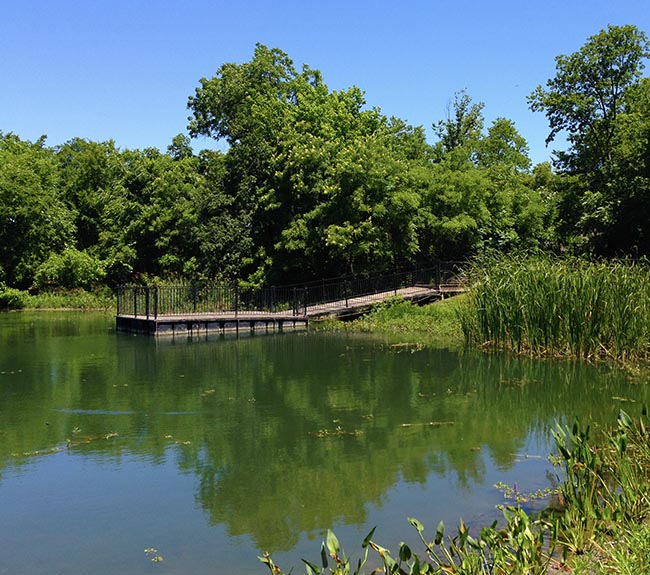
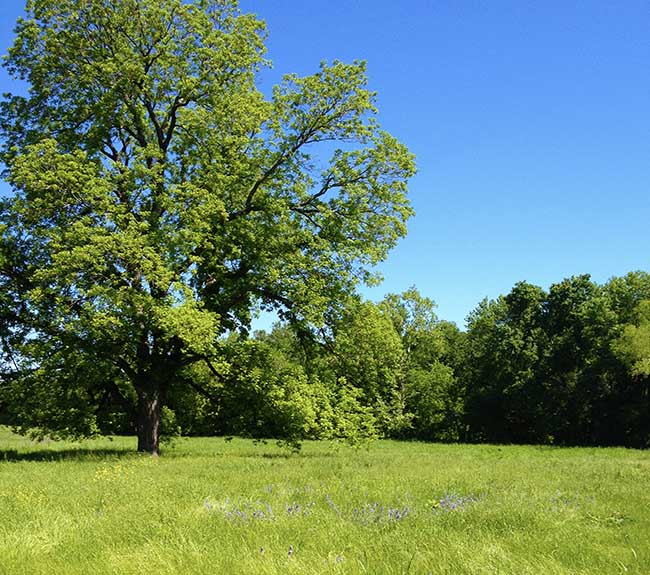
The Heard’s Blackland Prairie sites are some of the last remaining among rapid urbanization in Northeast Texas. Prairies provide critically vital habitats for millions of species of plants, insects, birds, mammals, and reptiles, who are losing habitat at unprecedented rates. Approximately 60 acres in total, the Heard’s team is dedicated to improving our prairies’ quality through increased biodiversity, increased native and endemic/endangered populations, and removal of invasive species.
To simulate natural conditions, we eliminate encroaching tree saplings through strategic mowing and prescribed prairie burns. Historically, fire and large grazing mammals such as bison and deer would contribute to the management of encroaching plants. However, today only deer remain on the Heard property, which is not enough to maintain these sites alone. Controlled prairie burns have proven successful at helping to replicate these once naturally occurring seasonal variables. Fire is well-studied and acknowledged as an irreplaceable tool in the management of prairies, making it a crucial step in many restoration projects. While seemingly counterintuitive, burns provide multiple benefits that help reset prairie restoration. Burns reduce dead plants, control the number of invasive species, and remove woody plants that compete with native grasses and wildflowers for space, light, and nutrients. In collaboration with McKinney and Plano Wildland Fire crews, the Heard attempts to conduct controlled burns regularly, typically every 3-5 years per site, to increase the health of the prairies and prevent uncontrolled wildfires.
Herbicides are used cautiously as necessary to combat invasive plant species, with spot-spraying treatment methods used most frequently to avoid harm to other organisms. The Heard seeks to leave our prairies as natural as possible, but realizes that, without intervention, this precious piece of native prairie habitat could be lost forever.
Heard staff and volunteers have also performed habitat restoration using native plants that were rescued from various sites in North Texas that are being lost to development. These efforts are often aided by volunteers from the Native Plant Society of Texas Collin County Chapter and the Texas Master Naturalists Blackland Prairie Chapter.
The Heard welcomes scouts and other groups to assist with special service projects. Picking up trash from our grounds and trails is always an available project option for groups of all sizes. Other projects such as trail and sanctuary maintenance, habitat restoration, and handiwork jobs may be available. All service projects must be pre-scheduled. Ages: 10 through adult.
© 2024 Heard Museum Natural Science Museum & Wildlife Sanctuary
1 Nature Pl, McKinney, TX 75069 | Contact | Privacy Policy | Website Design by HMG Creative